


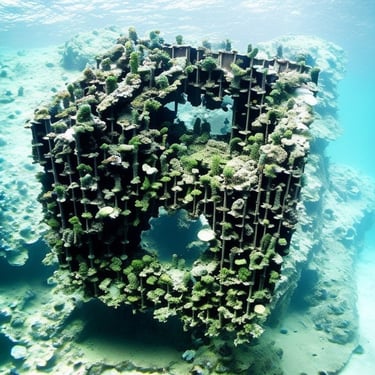
From the Coral Reefs to the City Grid
Designing Regenerative Ecosystems
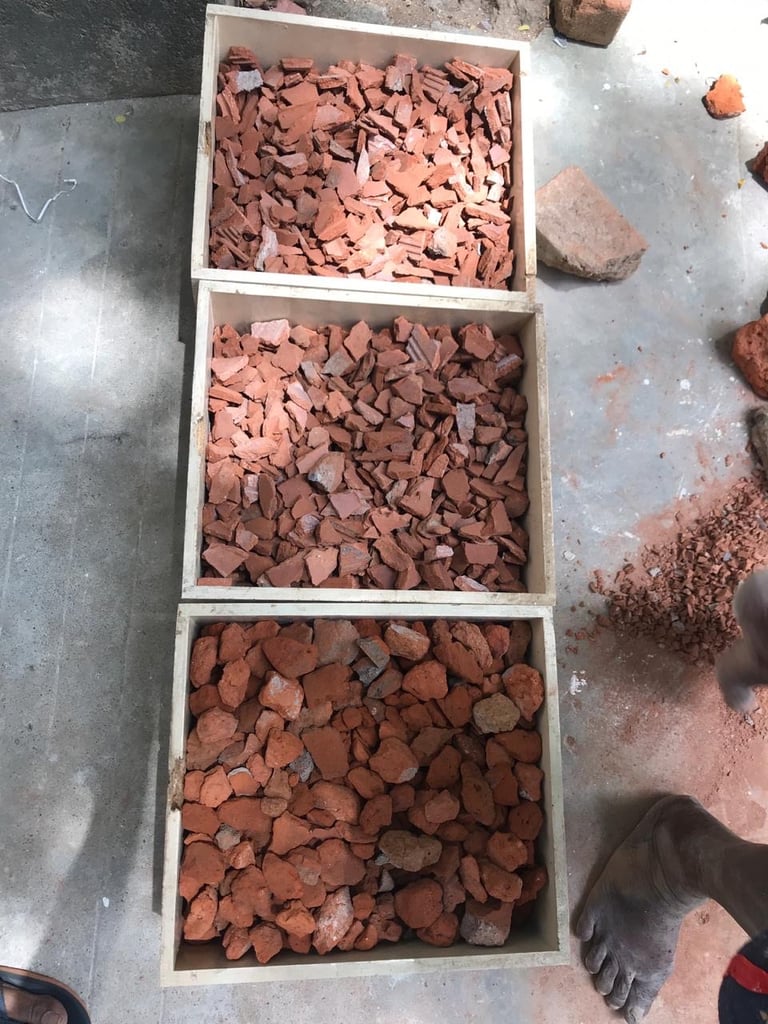
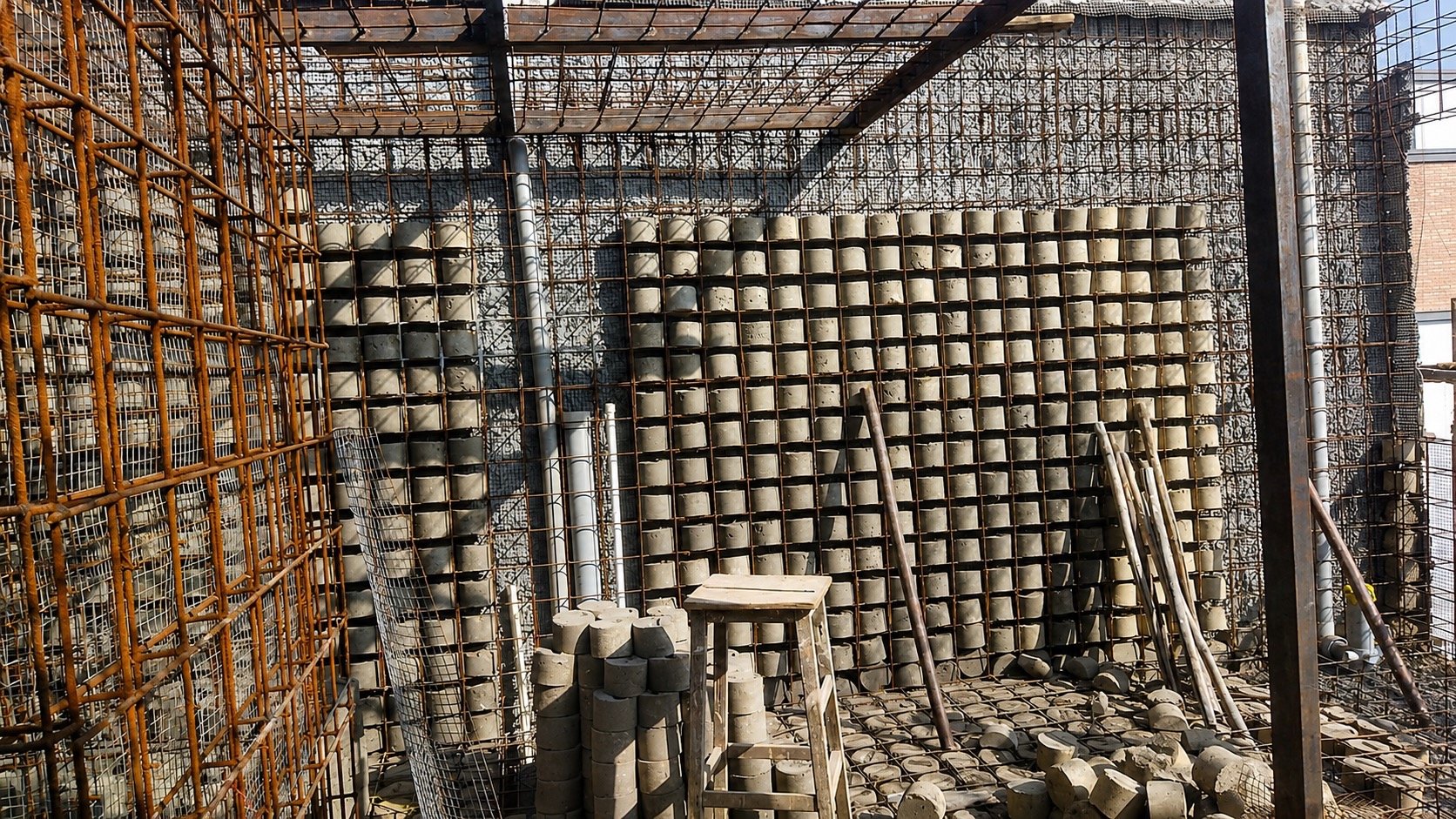
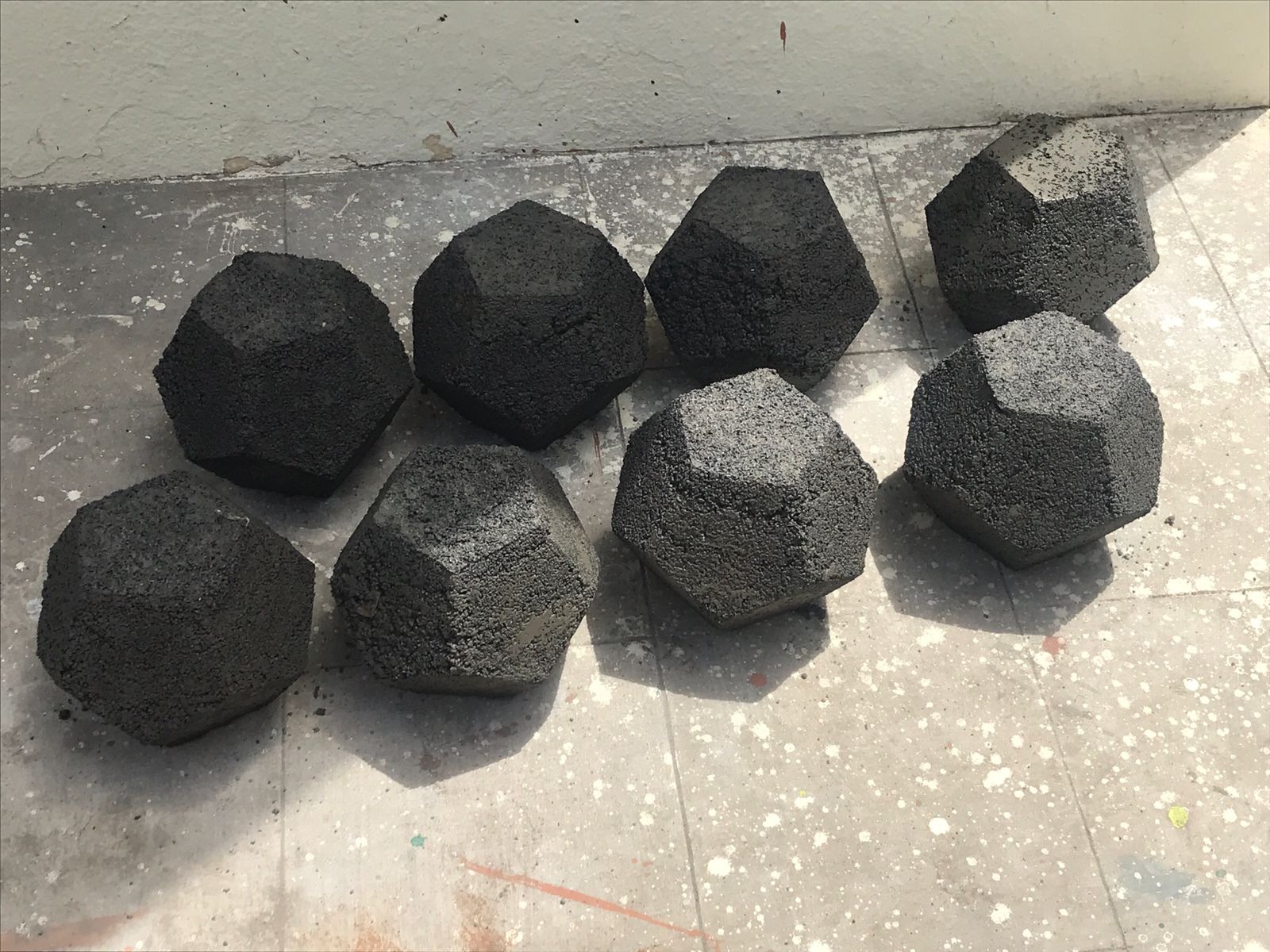
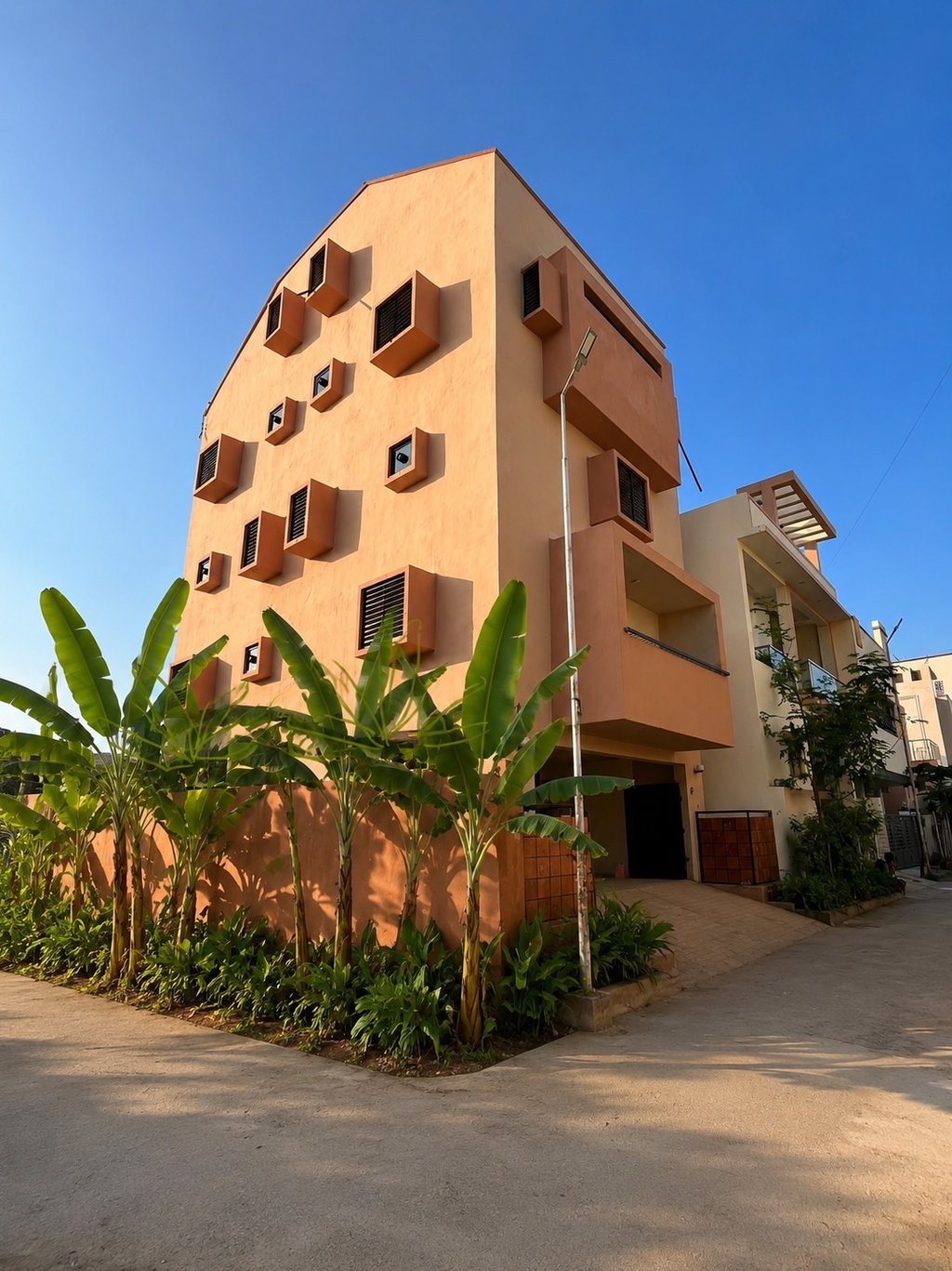
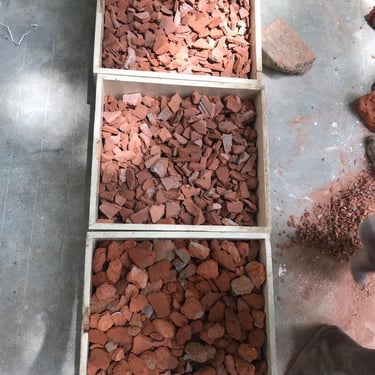
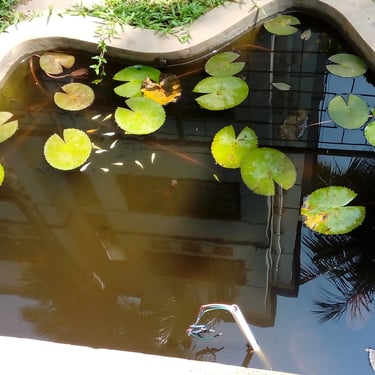
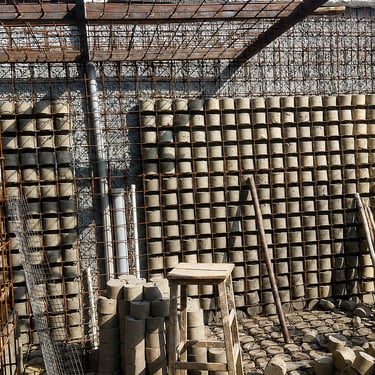
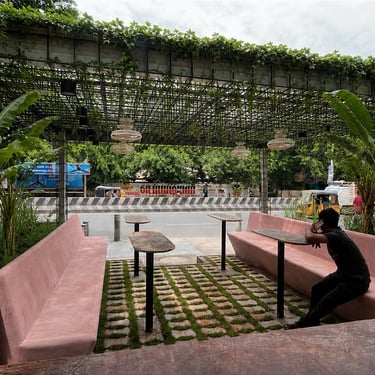
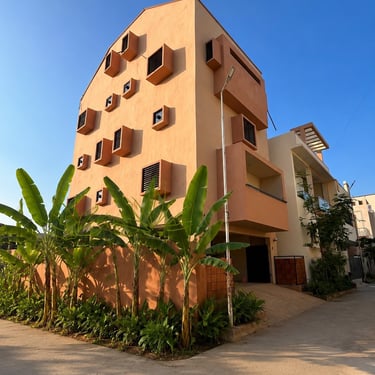
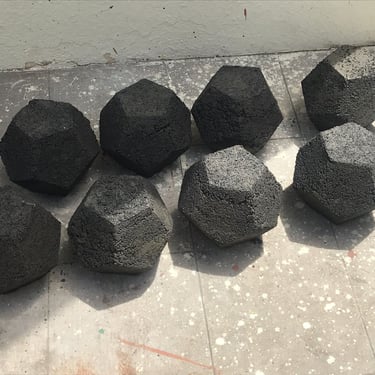
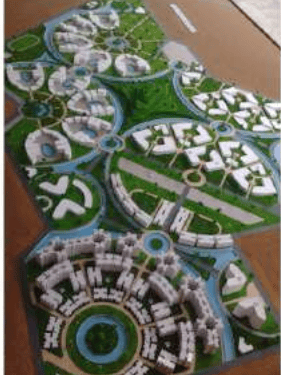
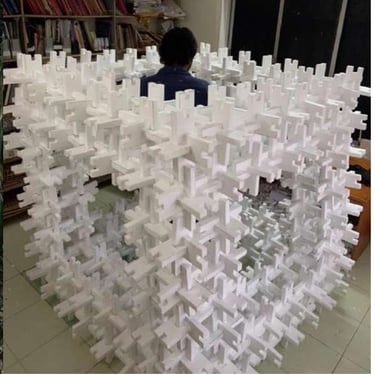
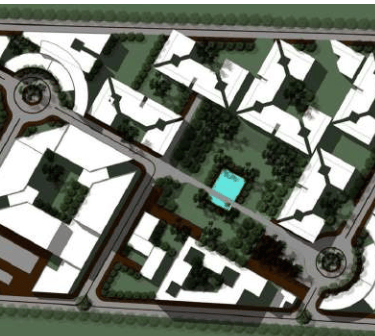
we believe the future of architecture lies not in the creation of isolated buildings, but in the cultivation of living systems that sustain people and the planet together. We see every intervention—whether a product, interior, building, landscape, or territory—as part of a larger ecological network where climate, water, materials, biodiversity, culture, and communities continuously influence one another.Our approach moves beyond sustainability toward regeneration. Rather than merely reducing environmental harm, we seek to restore ecosystems, strengthen local economies, revive traditional knowledge, and create places that actively contribute to the health of their surroundings. We believe architecture should function like a forest, a wetland, or a coral reef: adaptive, interconnected, resource-efficient, and capable of supporting diverse forms of life.Through transdisciplinary research, we bring together architecture, ecology, engineering, material science, agriculture, hydrology, climate science, design, and storytelling to uncover innovative responses to complex environmental and social challenges. This convergence enables us to explore new relationships between the built and natural worlds, generating solutions that are rooted in both scientific inquiry and local wisdom.Circularity is central to our practice. We investigate how industrial residues, agricultural by-products, demolition waste, and overlooked materials can be reimagined as valuable resources for construction and public infrastructure. By extending material lifecycles and reducing extraction, we aim to create systems in which waste becomes the foundation for regeneration and innovation.Water is treated not as an external utility but as a living element of design. We integrate rainwater, wetlands, groundwater recharge, and nature-based systems into our projects, recognizing that resilient communities depend on healthy hydrological cycles. Similarly, biodiversity is considered an essential design partner, shaping environments that provide habitat, encourage pollination, support native species, and reconnect people with the ecosystems that sustain them.We also believe that communities are co-creators of resilient futures. Our work values local craftsmanship, indigenous practices, artisanal knowledge, and participatory processes, ensuring that innovation emerges from collaboration rather than prescription. By embedding social, cultural, and economic resilience into design, we seek to create places that are meaningful, inclusive, and enduring.Storytelling plays a critical role in this mission. Through exhibitions, installations, publications, educational initiatives, and public engagement, we translate complex environmental ideas into experiences that inspire action. Whether revealing the hidden journeys of circular materials or celebrating India's biodiversity and traditional knowledge systems, we use narrative as a tool for transformation.Our vision extends across multiple scales—from ecological artifacts and habitable indoor ecosystems to breathable buildings, biodiverse landscapes, regenerative neighborhoods, and territorial strategies. Each scale is interconnected, contributing to a broader framework in which design becomes an instrument for environmental restoration and social renewal.Ultimately, we imagine a future where architecture is not a static object but a dynamic participant in the cycles of life—a medium through which air is purified, water is conserved, biodiversity is enhanced, materials are continuously renewed, and communities flourish. By embracing research, experimentation, circular innovation, and climate-responsive design, we strive to cultivate breathable futures for land, water, and sky, creating environments that do more than exist—they regenerate, adapt, and give back.